
The Handshake Before the Door
At my church, we have a super-greeter named Leon. He doesn’t wear a lanyard or follow a script. Instead, he offers a warm smile, remembers names, and genuinely cares about people. Whether you’re new or returning after years away, Leon is the first to notice, greet, and connect with you.
Ask regulars what made them feel at home, and many will say, “It was Leon.”
But today, Leon often doesn’t get to say hello first.
That welcome now happens online through your website, social media, or livestream. Before anyone steps into your church, they have already formed an impression from your digital presence. Research conducted by Monk Development notes that the average visitor spends about 90 seconds on a church homepage before deciding whether to explore further (Goodmanson, 2009). In other words, your digital front door now shapes the very first moments of someone’s experience with your community.
And that means every church today needs to ask:
Does our digital presence reflect the same warmth, clarity, and welcome that someone like Leon would give at the door? Or, more importantly, does it faithfully express the values our church says it holds?
Three Thinkers Who Can Help.
To answer that question, let’s look at the wisdom of three well-known thinkers:
- Dale Carnegie: A pioneering American writer and lecturer whose work transformed the fields of communication, leadership, and human relations.
- Donald Miller: Author, entrepreneur and founder of StoryBrand who teaches businesses and individuals to clarify their messaging through narrative frameworks.
- Lynne Baab: Minister, teacher, and author focused on Christian community, hospitality, and spiritual practices in church life.
Their ideas aren’t just for leadership seminars. They can really change how your church comes across online.
From Principles to Presence
Let’s explore three real scenarios to see how these principles operate.
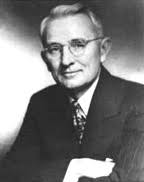
1. Dale Carnegie: “People don’t care how much you know until they know how much you care.”
Church Scenario: Kate lands on your website, unsure if she’ll feel out of place. But what she finds is simple and kind:
- A “New Here?” button that speaks directly to her.
- A form that says, “How can we help you feel at home?”
- Real images of real people.
In order to have success, caring for people is not optional. Carnegie teaches that we should be human first.
2. Donald Miller: “If you confuse, you lose.”

Church Scenario: A young family scrolls your site on Friday night. They want to feel confident visiting tomorrow.
- The homepage headline says: “A church where your family belongs.”
- One big button says: “Plan Your Visit.”
- A short, warm video shows what the service actually looks like.
Miller is emphatic, we must clarify the path for our audience. If the process is not clear they will lose motivation, you will lose their attention and that person Is now pursuing the next thing.
3. Lynne Baab: “Digital space is relational space.”

Church Scenario: Each week, 40 people join your livestream. Are they being acknowledged?
- A chat host welcomes them by name.
- A follow-up form asks how the team can pray for them.
- The next week, you share a story about someone who went from being a digital visitor to becoming an in-person disciple.
Lynne describes your livestream as a foyer. Having a person on greeting duty is accepted practice in the physical world. But when most of the people that are visiting are coming in the digital door, is it any less sensible to have a person dedicated to that task?
Your Church’s Digital First Impressions Audit
Let’s take a moment to see how your church is doing in this area.
| Area | Key Questions |
| 1. Visual Warmth | Is your homepage clean, personal, and welcoming? |
| 2. Messaging Clarity | Can someone clearly understand what to do next (and why)? |
| 3. Personal Invitation | Are you speaking to visitors, not just members? |
| 4. Two-Way Engagement | Can people reach out easily and are they getting responses? |
| 5. In-Person Bridge | Is there a clear and kind path from online visit to in-person experience? |
Each area reflects a blend of:
- Carnegie’s Relational Trust
- Miller’s Story Clarity
- Baab’s Relational Design
Digital Hospitality in Action
Here are five things you can do. That will make a difference to your digital hospitality this week.
- Create a “New Here?” Section
- One page. Warm language. Clear next steps.
- Feature Real Stories
- Swap out generic stock images for real testimonies, family photos, and team introductions.
- Add Connection Points
- Simple forms. Personal follow-up. Friendly chat hosts.
- Make It Easy for Everyone
- Use plain language. Test your site on mobile. Make sure navigation is easy.
- Bridge Online to Onsite
- Use “Plan Your Visit” tools, team emails, and digital handoffs to in-person welcomes.
Let’s Build a Better First Impression Together
A Word from the Blue Vineyard Team
At Blue Vineyard, we’ve worked with schools, churches, and mission-focused groups across Australia and beyond. We understand the balance between tradition and change, and the importance of honoring your mission while speaking clearly in today’s digital world.
If you’re not sure whether your website feels enough like Leon, and you’re wondering how to make the most of your digital front door, we’d love to walk with you.
Here’s how we can help:
- A free digital audit of your website’s first impression
- Custom design and content strategy tailored to your community
- Story-based coaching to help you connect your heart to your homepage
- Tools that let your digital welcome reflect your in-person values
Reach out to start the conversation:
Let’s co-create something that feels as warm as Leon, as clear as a StoryBrand, and as real as your mission.
One Final Thought
People are still looking for hope.
They’re just starting that search with Google or ChatGPT now, not your front steps.
Let’s make sure that when they find your church, it feels like home.
Stay in the loop
News, stories, and insights from the mission ecosystem — in your inbox once a month. No noise, just what matters.