What an Acre of Bananas Taught Me About Impact
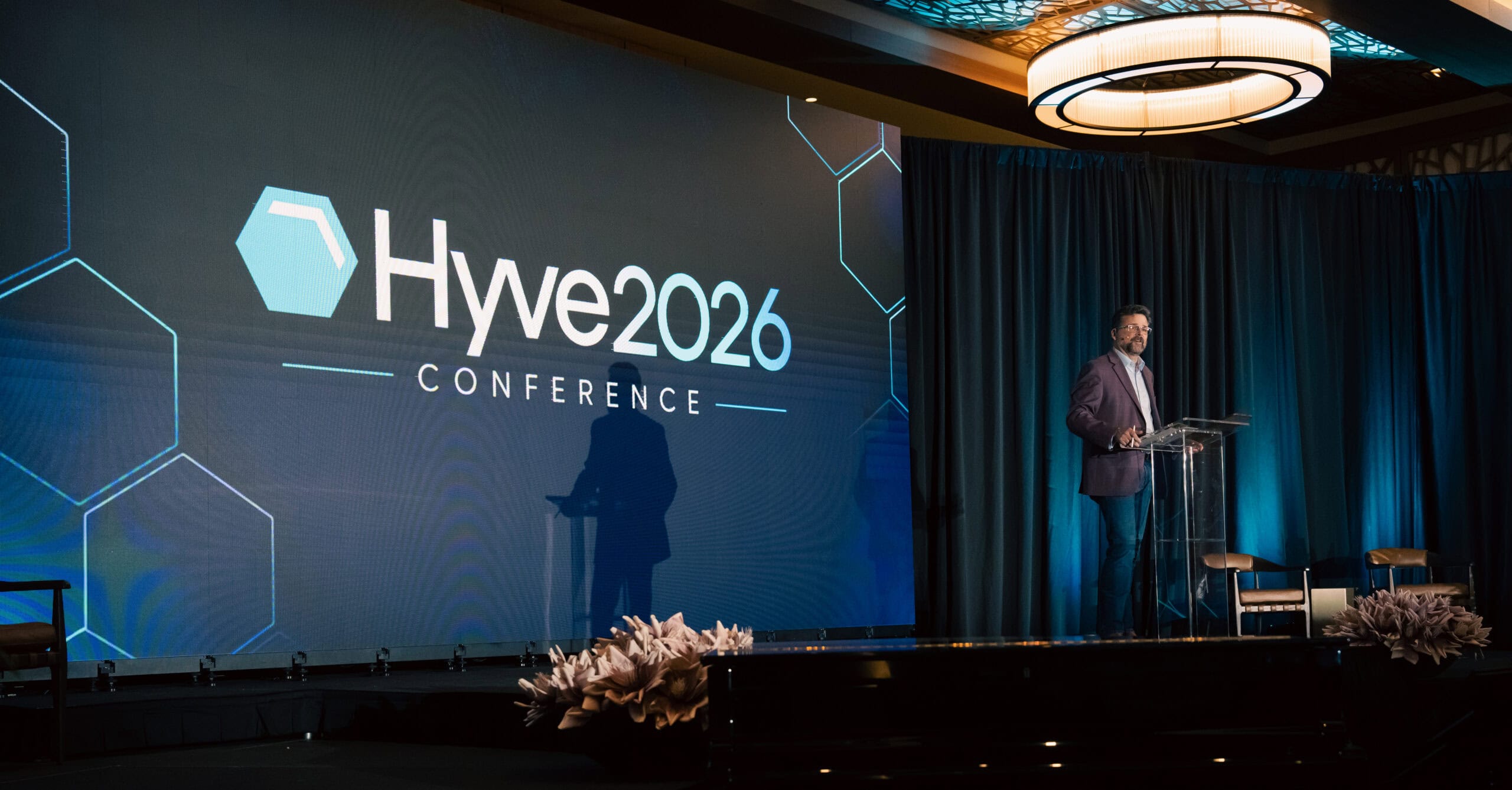
Rob Hardy shared those numbers on the Friday night of Hyve International in Chattanooga, Tennessee, and I’ve been reflecting on them since. Riverside Farm grows bananas. That’s the output. But Rob wasn’t really talking about fruit. He was talking about workers sustained, churches planted, kids in school and communities being cared for. The bananas are simply how the work gets paid for.
One acre of bananas in Zambia pays for one gospel worker a year. Every two years, that same acre plants a church.
It made me wonder what I’ve been counting: outputs, outcomes or impact?
Outputs, Outcomes and Impact: What’s the Difference?
Hyve founder Jesse Zwiker framed the whole evening around a simple progression. Outputs are what we produce. Outcomes are what changes because of it. Impact is the change that lasts – keeping our impact going long after we’ve moved on.
Say a church runs a health expo and 200 people walk through the doors. That’s an output. Forty of them join a follow-up program and change how they eat. That’s an outcome. Ten years later, a handful of those families are healthier, connected to a church community, and passing what they learned on to their kids. That’s impact!
Jesse’s hope is that ministries in the Hyve network push all the way through to impact, because that’s where the work starts to sustain itself.
Why We Stop at Outputs
Outputs are easy to count. Meals served, events run, emails sent, attendance. They sit neatly in a board report, and donors understand them. Outcomes take longer to appear and are harder to measure. Impact can take years.
So we count what we can count. I don’t think that’s a moral failing, but it does shape what we aim for.
Count the People: What Bob Chapman Understood
One idea ran through the whole weekend for me. It surfaced most clearly in one of the Life App presentations, but it kept resurfacing in panels and hallway conversations right through to Saturday night.
It came from Bob Chapman. Chapman became CEO of Barry-Wehmiller in 1975, when it was a $20 million supplier of equipment to the brewing industry. By the time he handed the reins to his son in 2025, it was a $3.6 billion-plus global business with 12,000 employees. Simon Sinek, describes Bob as one of the most enlightened leaders he has ever met.
Two things from Chapman stuck out to me.
- How he learned to see people. At some point he came to see each person as somebody’s precious child. Every employee, every customer, every person who walks into a program belongs to someone who loves them.
- How he measured success. He often said he wouldn’t go to his grave proud of the equipment his company built, but of the people who built it.
That is the outputs-to-impact ladder in one sentence. The machines were the output. The people were the impact. And this principle didn’t cost him the business. If anything, it built it.
What Impact Looks Like in Ministry
Three nonprofits shared on Friday night about their own climb up that ladder.
Salt Outreach began serving people experiencing homelessness in Florida and now runs in multiple states. Eric Camarillo described how they’ve moved from tracking services delivered to seeing direct, lasting change in people’s lives. Their vision is service and love combined in every city in the United States, and they’re growing earned revenue so the mission itself can keep funding its growth.
Plana, represented by Phoebe Vidačak, bridges the gap between women facing an unplanned pregnancy and women hoping to adopt. They’re launching an app and a structured program, with support staff walking alongside women and girls through some of the hardest months of their lives. The app is an output. A woman who knows she has a supported option is an outcome. A life is the impact!
Then there’s Riverside Farm. Rob’s plan is to plant another 120 acres, doubling the crop. You may have already done the math, but that’s 120 new gospel workers and 60 new churches – every single year! Funded by bananas. How cool is that?
Hyve then shared the part that tied it all together. The first ministry to receive money from Hyve’s Impact Fund paid it back within about 18 months, and that money went straight back into the fund. This year’s freewill offering is going toward Riverside’s expansion. Impact paying for more impact.
Technology That Counts the Right Things
At Blue Vineyard, our work sits right in the middle of this. Most software is built to count outputs. Emails sent, pages viewed, donations logged, forms submitted. Those numbers matter, but they’re the easy ones. The harder, but more important, question is whether anyone’s life is actually changing.
Enzo Bacchiocchi won the intercollegiate pitch night with Vantage, an AI-powered donor CRM, and it’s a good picture of building for the right thing. Enzo has been a field worker himself. Most donor CRMs are designed for someone behind a desk, so he built one for the people out in the field, on their phones, meeting donors face to face.
That’s the thinking we want to bring to every mission-driven organisation we serve. Tools that help people see people. Tools that tell a ministry whether lives are changing, rather than simply how busy it’s been.
What Are You Counting?
I came home reminded that we’re here to serve, not to accumulate. Business isn’t exempt from that. When redemption comes before profit, the return shows up in places a spreadsheet may never fully capture.
So here’s the question I’m sitting with, and I’ll leave it with you: what are you counting?
Hyve International is a community of faith-driven entrepreneurs, business owners and investors, and its annual conference brings together businesses and ministries focused on redemptive impact.
Stay in the loop
News, stories, and insights from the mission ecosystem — in your inbox once a month. No noise, just what matters.